The Day the Machines Started Thinking — And Why It Matters in 2025
In 1997, a computer named Deep Blue made history.
It wasn’t because it looked impressive — it was a beige box in an IBM lab. It made history because it beat the reigning world chess champion, Garry Kasparov.
For the first time, a machine out-thought one of the best human minds in the world at a complex intellectual game.
At the time, most people shrugged it off. Chess was niche. AI was still clunky, expensive, and hard to access.
But that was the spark.
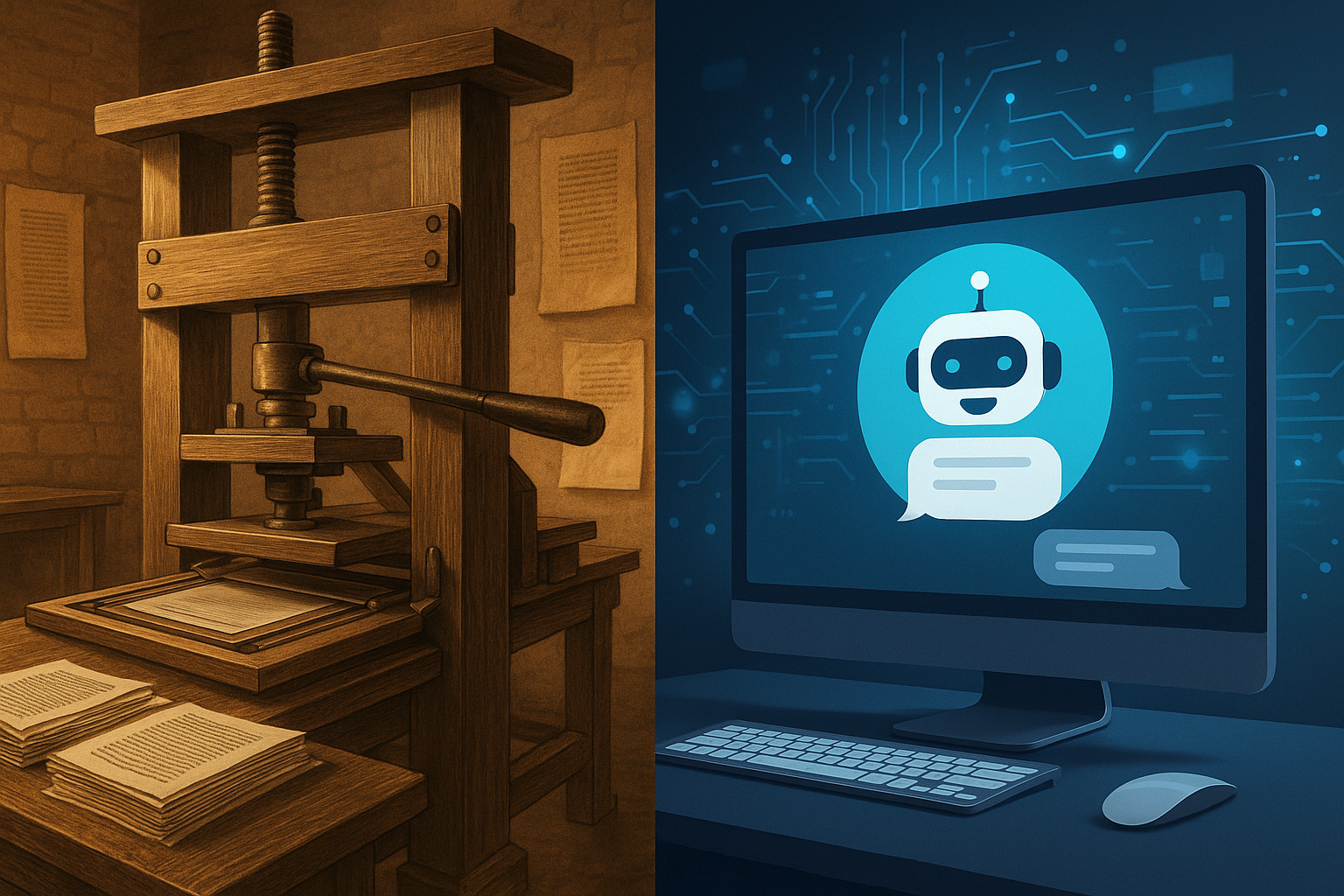
From Clunky Experiments to Everyday Tools
Fast forward to 2025 and AI is no longer locked in research labs. It’s on your phone, in your browser, and even in your fridge.
It writes, designs, translates, analyses, and creates — all at speeds we couldn’t have imagined a decade ago.
The big shift? You no longer need a PhD or a corporate budget to use it. Many of the most powerful AI tools are free or incredibly low-cost.
Why This Moment Feels Like a Tipping Point
Technology doesn’t change the world overnight — it builds quietly until suddenly, it’s everywhere.
Think about electricity, the internet, or smartphones. The early adopters always had an edge.
AI is at that exact stage now. It’s not a future concept — it’s now.
What This Means for You
You don’t need to be a tech expert to use AI. You just need to know which tools are worth your time and how to make them work for you.
Small business owner? Create marketing campaigns in hours instead of weeks.
Professional? Automate admin and free up time for strategic work.
Student? Get help structuring essays, researching topics, and learning faster.