AI Agents vs Traditional Automation — What SMEs Need to Know
AI Agents vs Traditional Automation — What SMEs Need to Know
Whether you are running a boutique consultancy or managing a mid-sized logistics firm in Milton Keynes, you have likely felt the pressure to "implement AI" before your competitors do. However, there is a significant difference between a tool that follows a script and one that thinks for itself.
- Traditional Automation is rigid and rule-based; AI Agents use reasoning to make decisions.
- SMEs often waste money by using expensive AI agents for tasks that simple automation could handle.
- Automation is best for predictable, high-volume tasks; Agents excel at handling nuance and context.
- The best strategy is a hybrid approach using both tools in a single workflow.
Understanding the "Brain" vs. the "Script"
To understand the difference, imagine you are hiring a new member of staff.
Traditional Automation is like an employee who is incredibly fast but only does exactly what is written in the manual. This is deterministic; you provide Input A, and you will always get Result B.
AI Agents, on the other hand, are like an employee who has read the manual but also understands the goals of the business. They use their training to figure out a solution to new problems.
The most common mistake we see at our Milton Keynes workshops is a business owner trying to force a "reasoning" AI agent to perform a "rigid" automation task. It is more expensive and prone to errors.
Where Traditional Automation Still Rules
Traditional automation is cheap, reliable, and requires very little maintenance. If your task involves moving data from point A to point B without needing to interpret that data, you need traditional automation.
Examples of Traditional Automation:
- Email Autoresponders: Standard "Thank you" messages.
- Social Media Scheduling: Posting pre-written content at specific times.
- Invoice Reminders: Automated nudges for overdue payments.
Check out our guide to learning AI basics to master these workflows first.
The Rise of the AI Agent: Moving Beyond Scripts
An AI Agent doesn't just move data; it interprets it. An agent can understand nuance, sentiment, and intent.
Examples of AI Agents:
- Customer Support Agents: Solving complex queries by checking multiple data sources.
- Sales Assistants: Qualifying leads through conversational dialogue.
- Autonomous Schedulers: Negotiating meeting times without human intervention.
See these AI tools in action to understand the difference in capability.
The Cost of Getting It Wrong
If you use AI Agents for simple tasks, you are burning money on unnecessary compute costs. If you use Traditional Automation for complex tasks, you will frustrate customers with rigid, unhelpful responses. SMEs must categorise their tasks before choosing a tool.
How to Decide: The Rule of Three
- Is the input predictable? If yes, use Automation.
- Does the task require judgement? If yes, use an AI Agent.
- What is the cost of a mistake? If zero-tolerance, use Automation.
Get Practical in Milton Keynes
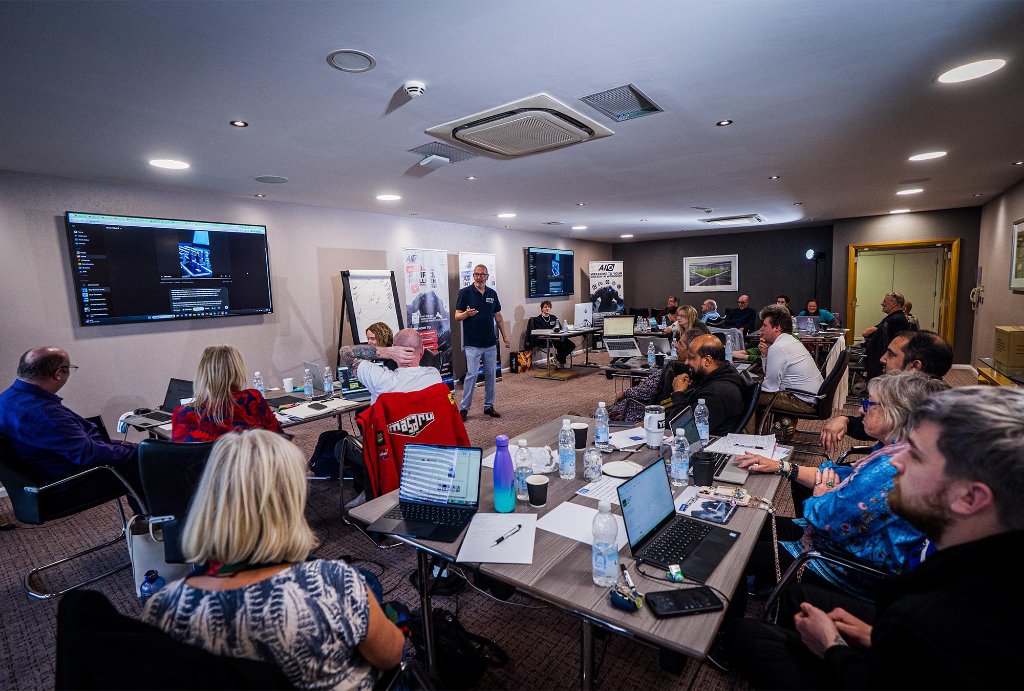
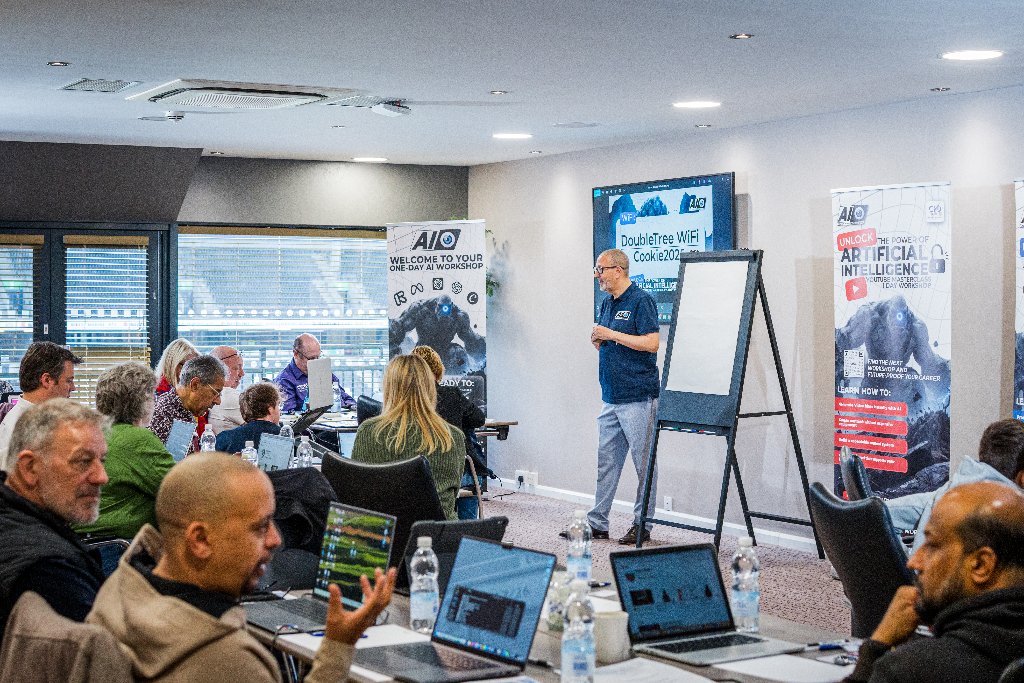
At The AI Cyclops, we offer CPD-certified workshops to help you implement these tools. Standard tickets are £199, while our VIP Experience at £395 includes a 1-to-1 strategy audit.
Book your workshop spot today and stop guessing about your AI strategy.
From AI-curious to AI-confident in one day.
Join one of our hands-on AI workshops in Milton Keynes. CPD-certified, beginner-friendly, and packed with real outputs you can use the same week.
Training your team on this?
You might also like

7 Ways to Use AI for Small Business: Save Time and Grow in 2027
Seven practical, jargon-free ways small businesses can use AI in 2027 to save time, streamline admin and grow — no technical background needed.
Read more →
The AI Skills Gap: Why Businesses Can't Afford to Wait for the Next Generation
The AI skills gap is growing faster than most UK businesses realise. Practical training — not more software — is the answer.
Read more →
AI Can Help You Grow Your Business, But It Can't Replace a Good Conversation
AI can automate your tasks, but it can't have a coffee with someone. Here's why business networking still matters — and how to combine both.
Read more →