How Charities Can Use AI Without Losing the Human Touch
- Charities can use AI to reduce repetitive administration without replacing the empathy and trust at the heart of their work.
- Ten practical applications — from drafting communications to summarising meetings — can free up significant staff time.
- Confidential and beneficiary data must never be uploaded to an unapproved AI platform.
- Every AI output requires a human review before it is used, shared or published.
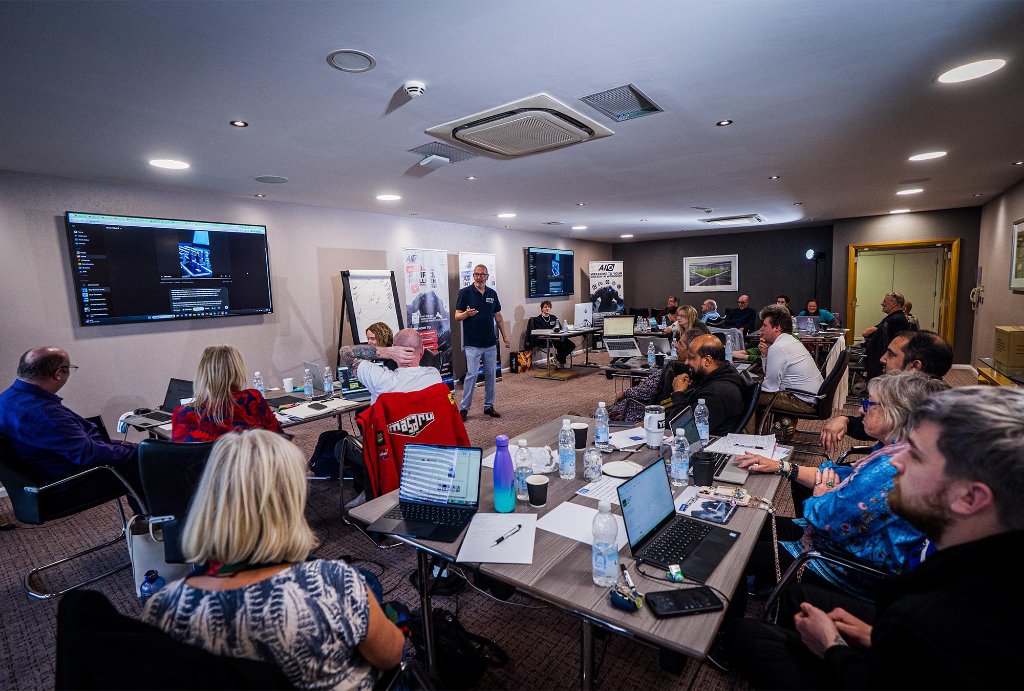
- The AI Cyclops is developing a dedicated charity AI workshop for organisations across Milton Keynes and the surrounding areas.
- Starting small — with one routine task — is the most practical and low-risk way to begin.
AI for Charities: How to Use It Without Losing the Human Touch
Charities exist to support people. But overstretched teams often spend hours rewriting emails, preparing reports, summarising meetings and working through repetitive administration. AI for charities offers a practical way to reduce some of that burden — freeing staff and volunteers to spend more time on supporters, beneficiaries and the communities they serve.
Used responsibly, AI is a capable assistant. Used carelessly, it creates new risks. This guide covers ten grounded, practical ways charities can begin using AI tools — and five golden rules to make sure the human heart of the organisation stays firmly in place.
Why AI for Charities Is Worth Taking Seriously
According to the Charity Commission for England and Wales, there are over 170,000 registered charities in England and Wales alone — the vast majority run by small teams with limited resources. Administrative workload is one of the most consistently reported pressures on charity staff and volunteers.
AI tools do not require technical expertise to use. Many are accessible through a standard web browser at low or no cost. The key is knowing which tasks are suitable for AI assistance, and which require human judgement.
The aim is never to automate sensitive decisions or replace people. AI should support the human work of a charity, not remove the accountability, empathy and trust that make it effective.
10 Practical Ways Charities Can Use AI
1. Draft Supporter and Donor Communications
AI can produce first drafts of thank-you messages, fundraising appeals, newsletters and volunteer updates. By sharing examples of previous communications, charities can guide AI towards their preferred tone. Every message must still be checked, personalised and approved by a person before being sent.
2. Improve Grant Applications
AI can organise rough notes, strengthen the structure of an application and highlight areas where more detail may be needed. It must never invent statistics, outcomes or beneficiary stories. All information must remain accurate and verifiable — this is non-negotiable for maintaining funder trust.
3. Summarise Meetings and Lengthy Documents
AI can extract key decisions, actions, risks and important points from meeting notes, policies and lengthy reports. This can save considerable time. Summaries must always be checked against the original document before being shared or acted upon.
4. Repurpose Existing Content
A single impact story can be adapted into multiple formats:
- A newsletter article
- Social media posts
- A website update
- A short video script
- Presentation notes
- A LinkedIn post
When sharing beneficiary stories, charities must protect privacy, obtain consent and place dignity above reach. AI does not make these ethical judgements — people do.
5. Research Funders and Potential Partners
AI-powered research tools can help identify possible funding opportunities, sector partners and relevant industry information. Results should always be verified using reliable, current sources before any significant decision is made. The National Council for Voluntary Organisations (NCVO) provides useful guidance on funding research best practice.
6. Understand Impact Data
AI can identify common themes in survey responses, categorise feedback and translate spreadsheet data into clear explanations for funders and trustees. Personal or identifiable beneficiary data should never be uploaded to an unapproved AI platform.
7. Draft Policies and Reports
AI can provide a useful starting structure for trustee reports, project updates and internal procedures. A generated template is not a finished policy. It must be reviewed against the charity's legal responsibilities, services and working practices before it is adopted.
8. Reduce Everyday Administration
AI can help staff and volunteers:
- Draft routine replies
- Turn handwritten notes into professional emails
- Create task lists
- Improve written instructions
- Reformat information for different audiences
The real question is not how much time AI saves — it is how that saved time gets reinvested into the charity's mission.
9. Prepare for Meetings
AI can create agendas, briefing notes, suggested questions and summaries of previous discussions. It can organise information efficiently, but it cannot fully understand personal relationships, sensitive history or the unspoken context behind a decision — unless that context is carefully provided.
10. Create Reusable Prompts and Workflows
Once a charity finds an AI process that works, it can save the prompt or template for repeated use. This might include a repeatable process for preparing newsletters, summarising meetings, writing social media posts or producing monthly trustee updates. Shared prompts prevent every team member from having to start from scratch — saving time across the whole organisation.
Five Golden Rules for Responsible AI Use in Charities
- Use approved tools. Agree as an organisation which AI platforms can be used and what types of information may be entered into them.
- Protect sensitive information. Never upload confidential, personal or beneficiary data into an unapproved AI tool.
- Check every output. AI can produce confident answers that are inaccurate, outdated or entirely fabricated. A human review is not optional.
- Keep people accountable. Staff and trustees remain fully responsible for all communications, decisions and published information — regardless of how they were drafted.
- Focus on the outcome. Success should not be measured by how often AI is used. It should be measured by whether the charity works more effectively and has more time available for its mission.
How Charities Can Start Using AI Without Overcomplicating It
Charities do not need an expensive system or a complicated strategy to begin. Choose one routine task that regularly takes too long. Test an AI tool using information that is safe to share. Check the result carefully, improve the instructions and repeat until the process becomes reliably useful.
Building confidence gradually — rather than trying to automate everything at once — is the most sensible and low-risk approach for most voluntary organisations.
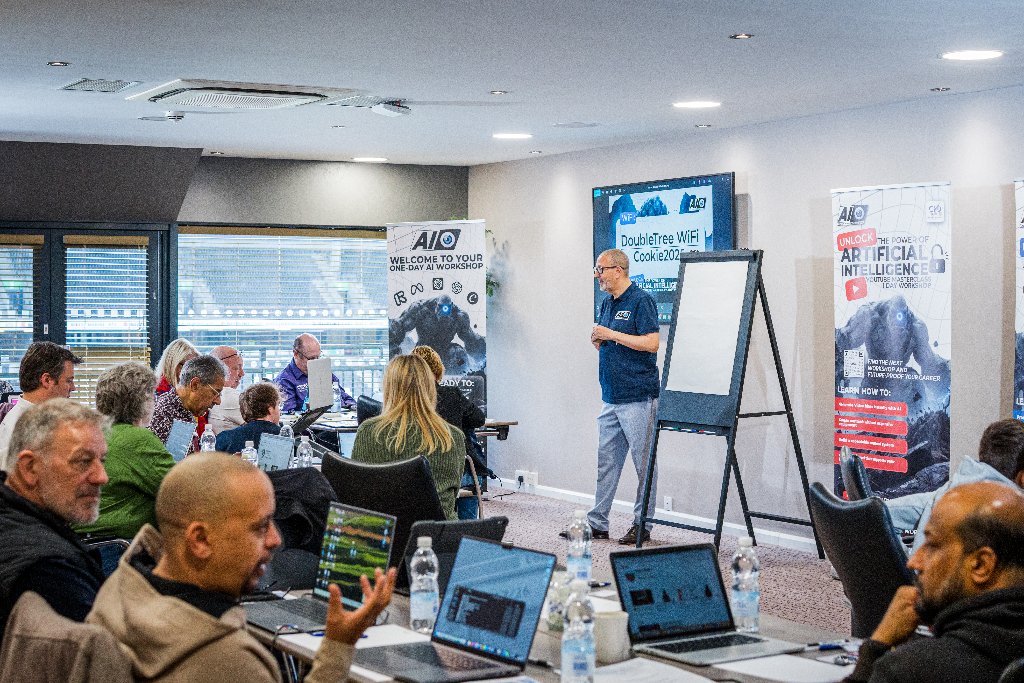
At The AI Cyclops, based in Milton Keynes, we run CPD-certified hands-on AI workshops designed for exactly this kind of practical, grounded learning. Our Standard workshop is available from £199, with a VIP option at £395 that includes deeper coaching and follow-up support. You can find out more about our sessions on the Learn AI page or explore real examples of AI in practice in our AI in Action section.
We are currently developing a dedicated practical AI workshop for charities and community organisations across Milton Keynes and the surrounding areas — covering safe AI use, communications, grant applications, administration, impact reporting and reusable workflows. We are also looking at featuring the charity sector at a future AI Cyclops Business Club networking event.
If your charity, community group or foundation would like to register interest, book a free 15-minute call with The AI Cyclops and let us know what would be most useful for your team.
Frequently Asked Questions About AI for Charities
Is AI safe for charities to use?
Yes, when used responsibly. Charities should agree on approved tools, never upload confidential or beneficiary data into unapproved platforms, and always have a person review every AI output before it is used or shared.
Can AI help charities write grant applications?
AI can help structure a grant application, organise rough notes and highlight gaps. However, it must never invent statistics, outcomes or beneficiary stories. All information must be accurate and verifiable.
What data should charities never put into an AI tool?
Charities should never upload personal, confidential or identifiable beneficiary data into any AI platform that has not been formally approved for that purpose by the organisation.
Do charities need a large budget to start using AI?
No. Charities can begin with free or low-cost AI tools, starting with one routine task at a time. The AI Cyclops runs CPD-certified AI workshops from £199, designed to be accessible for small teams and community organisations.
How can charities make sure AI does not replace human judgement?
By treating AI as a drafting and organisational tool only. Staff and trustees must remain accountable for all decisions, communications and published content. AI should support human work — not replace the empathy and judgement that define a trusted charity.
Does The AI Cyclops offer AI training for charities?
The AI Cyclops is developing a dedicated practical AI workshop for charities and community organisations across Milton Keynes and the surrounding areas, covering safe AI use, communications, grant applications and reusable workflows. Register your interest here.
From AI-curious to AI-confident in one day.
Join one of our hands-on AI workshops in Milton Keynes. CPD-certified, beginner-friendly, and packed with real outputs you can use the same week.
You might also like

Drowning in Documents? Put Claude to Work in Your Business
Too many documents, not enough time? Learn how to use Claude AI for business tasks — from document analysis to clearer writing — with practical prompts from The AI Cyclops.
Read more →
The AI Skills Gap: Why Businesses Can't Afford to Wait for the Next Generation
The AI skills gap is growing faster than most UK businesses realise. Practical training — not more software — is the answer.
Read more →
AI Can Help You Grow Your Business, But It Can't Replace a Good Conversation
AI can automate your tasks, but it can't have a coffee with someone. Here's why business networking still matters — and how to combine both.
Read more →